
Two Toned Wolf Spider - Hoggicosa bicolour
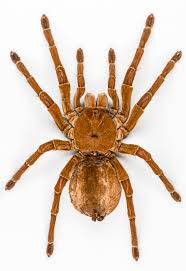
The Two-Toned Wolf Spider (Hoggicosa bicolour) is a remarkable species native to Australia, renowned for its striking coloration and agile hunting behavior. Unlike web-building spiders, wolf spiders are active hunters that rely on their keen eyesight and speed to capture prey. Their adaptability to various environments and relatively straightforward care requirements make them intriguing specimens for arachnid enthusiasts. Understanding their natural history and specific needs is essential for maintaining their health and well-being in captivity.
Features of the Two-Toned Wolf Spider (Hoggicosa bicolour)
-
Distinctive Appearance: Exhibits a characteristic two-tone coloration with contrasting dark and light patches across the body, aiding in camouflage.
-
Size: Medium to large size for wolf spiders, with body lengths typically ranging between 15–25 mm.
-
Hunting Style: Ground-dwelling, active hunters that do not spin webs to trap prey but rely on agility and stealth.
-
Eyesight: Possess excellent vision among spiders, with eight eyes arranged in three distinct rows facilitating hunting and navigation.
-
Behavior: Generally solitary and territorial, exhibiting defensive postures if threatened.
-
Lifespan: Typically lives 1–2 years in captivity, with variations depending on care and environment.
Enclosure Setup for the Two-Toned Wolf Spider
Replicating the spider’s natural habitat is critical for promoting natural behaviors and ensuring health.
Tank Specifications
-
A small terrarium or enclosure provides adequate space.
-
Secure lid is mandatory to prevent escape.
-
Ventilation should be sufficient to prevent mold but maintain humidity levels.
Substrate
-
Use a dry to slightly moist substrate such as coconut fiber, peat moss, or a mix with sand.
-
Depth of 2–3 inches allows for burrowing and natural hiding.
-
Avoid overly wet conditions which can cause fungal issues.
Temperature and Humidity
-
Maintain ambient temperature between 22°C and 28°C (72°F–82°F).
-
Moderate humidity of approximately 50–60% to mimic natural conditions.
-
Use heat mats or low-wattage bulbs if ambient temperature is insufficient.
Hiding Spots and Decorations
-
Provide shelters such as cork bark, half logs, or small clay pots turned on their side.
-
Include leaf litter or artificial plants to create cover and reduce stress.
-
Avoid overcrowding the enclosure to allow natural territorial behavior.
Water
-
Shallow water dish with fresh water must be available.
-
Change water regularly to prevent stagnation.
Diet for the Two-Toned Wolf Spider
This species thrives on a diet that reflects its carnivorous, opportunistic hunting nature.
Feeding Options
-
Primary diet consists of live insects such as crickets, roaches, fruit flies (for juveniles), and mealworms.
-
Prey should be appropriately sized, generally no larger than the spider’s body length.
-
Feeding frequency: juvenile spiders require feeding every 2–3 days; adults can be fed twice weekly.
Supplementation
-
Occasional supplementation with calcium powder on prey may benefit molting and exoskeleton health.
-
Avoid overfeeding to prevent obesity and stress.
Feeding Tips
-
Introduce prey during evening or low-light hours to align with spider’s natural activity period.
-
Remove uneaten prey to prevent stress or injury to the spider.
The Two-Toned Wolf Spider (Hoggicosa bicolour) is a remarkable species native to Australia, renowned for its striking coloration and agile hunting behavior. Unlike web-building spiders, wolf spiders are active hunters that rely on their keen eyesight and speed to capture prey. Their adaptability to various environments and relatively straightforward care requirements make them intriguing specimens for arachnid enthusiasts. Understanding their natural history and specific needs is essential for maintaining their health and well-being in captivity.
Features of the Two-Toned Wolf Spider (Hoggicosa bicolour)
-
Distinctive Appearance: Exhibits a characteristic two-tone coloration with contrasting dark and light patches across the body, aiding in camouflage.
-
Size: Medium to large size for wolf spiders, with body lengths typically ranging between 15–25 mm.
-
Hunting Style: Ground-dwelling, active hunters that do not spin webs to trap prey but rely on agility and stealth.
-
Eyesight: Possess excellent vision among spiders, with eight eyes arranged in three distinct rows facilitating hunting and navigation.
-
Behavior: Generally solitary and territorial, exhibiting defensive postures if threatened.
-
Lifespan: Typically lives 1–2 years in captivity, with variations depending on care and environment.
Enclosure Setup for the Two-Toned Wolf Spider
Replicating the spider’s natural habitat is critical for promoting natural behaviors and ensuring health.
Tank Specifications
-
A small terrarium or enclosure provides adequate space.
-
Secure lid is mandatory to prevent escape.
-
Ventilation should be sufficient to prevent mold but maintain humidity levels.
Substrate
-
Use a dry to slightly moist substrate such as coconut fiber, peat moss, or a mix with sand.
-
Depth of 2–3 inches allows for burrowing and natural hiding.
-
Avoid overly wet conditions which can cause fungal issues.
Temperature and Humidity
-
Maintain ambient temperature between 22°C and 28°C (72°F–82°F).
-
Moderate humidity of approximately 50–60% to mimic natural conditions.
-
Use heat mats or low-wattage bulbs if ambient temperature is insufficient.
Hiding Spots and Decorations
-
Provide shelters such as cork bark, half logs, or small clay pots turned on their side.
-
Include leaf litter or artificial plants to create cover and reduce stress.
-
Avoid overcrowding the enclosure to allow natural territorial behavior.
Water
-
Shallow water dish with fresh water must be available.
-
Change water regularly to prevent stagnation.
Diet for the Two-Toned Wolf Spider
This species thrives on a diet that reflects its carnivorous, opportunistic hunting nature.
Feeding Options
-
Primary diet consists of live insects such as crickets, roaches, fruit flies (for juveniles), and mealworms.
-
Prey should be appropriately sized, generally no larger than the spider’s body length.
-
Feeding frequency: juvenile spiders require feeding every 2–3 days; adults can be fed twice weekly.
Supplementation
-
Occasional supplementation with calcium powder on prey may benefit molting and exoskeleton health.
-
Avoid overfeeding to prevent obesity and stress.
Feeding Tips
-
Introduce prey during evening or low-light hours to align with spider’s natural activity period.
-
Remove uneaten prey to prevent stress or injury to the spider.
Original: $122.19
-65%$122.19
$42.77Description
The Two-Toned Wolf Spider (Hoggicosa bicolour) is a remarkable species native to Australia, renowned for its striking coloration and agile hunting behavior. Unlike web-building spiders, wolf spiders are active hunters that rely on their keen eyesight and speed to capture prey. Their adaptability to various environments and relatively straightforward care requirements make them intriguing specimens for arachnid enthusiasts. Understanding their natural history and specific needs is essential for maintaining their health and well-being in captivity.
Features of the Two-Toned Wolf Spider (Hoggicosa bicolour)
-
Distinctive Appearance: Exhibits a characteristic two-tone coloration with contrasting dark and light patches across the body, aiding in camouflage.
-
Size: Medium to large size for wolf spiders, with body lengths typically ranging between 15–25 mm.
-
Hunting Style: Ground-dwelling, active hunters that do not spin webs to trap prey but rely on agility and stealth.
-
Eyesight: Possess excellent vision among spiders, with eight eyes arranged in three distinct rows facilitating hunting and navigation.
-
Behavior: Generally solitary and territorial, exhibiting defensive postures if threatened.
-
Lifespan: Typically lives 1–2 years in captivity, with variations depending on care and environment.
Enclosure Setup for the Two-Toned Wolf Spider
Replicating the spider’s natural habitat is critical for promoting natural behaviors and ensuring health.
Tank Specifications
-
A small terrarium or enclosure provides adequate space.
-
Secure lid is mandatory to prevent escape.
-
Ventilation should be sufficient to prevent mold but maintain humidity levels.
Substrate
-
Use a dry to slightly moist substrate such as coconut fiber, peat moss, or a mix with sand.
-
Depth of 2–3 inches allows for burrowing and natural hiding.
-
Avoid overly wet conditions which can cause fungal issues.
Temperature and Humidity
-
Maintain ambient temperature between 22°C and 28°C (72°F–82°F).
-
Moderate humidity of approximately 50–60% to mimic natural conditions.
-
Use heat mats or low-wattage bulbs if ambient temperature is insufficient.
Hiding Spots and Decorations
-
Provide shelters such as cork bark, half logs, or small clay pots turned on their side.
-
Include leaf litter or artificial plants to create cover and reduce stress.
-
Avoid overcrowding the enclosure to allow natural territorial behavior.
Water
-
Shallow water dish with fresh water must be available.
-
Change water regularly to prevent stagnation.
Diet for the Two-Toned Wolf Spider
This species thrives on a diet that reflects its carnivorous, opportunistic hunting nature.
Feeding Options
-
Primary diet consists of live insects such as crickets, roaches, fruit flies (for juveniles), and mealworms.
-
Prey should be appropriately sized, generally no larger than the spider’s body length.
-
Feeding frequency: juvenile spiders require feeding every 2–3 days; adults can be fed twice weekly.
Supplementation
-
Occasional supplementation with calcium powder on prey may benefit molting and exoskeleton health.
-
Avoid overfeeding to prevent obesity and stress.
Feeding Tips
-
Introduce prey during evening or low-light hours to align with spider’s natural activity period.
-
Remove uneaten prey to prevent stress or injury to the spider.